What to Expect During a Commercial Foundation Inspection
People searching for what to expect during a commercial foundation inspection can rely on local contractors to assess foundation health and identify potential issues.
Understanding what to expect during a commercial foundation inspection can help property owners feel more prepared for the process. Whether you're evaluating a new property or monitoring an existing one, knowing the typical steps involved can clarify what inspectors focus on and why. Local contractors who specialize in foundation assessments use a thorough approach to identify potential issues early, helping owners make informed decisions about maintenance or repairs. By learning about the inspection process upfront, you can better appreciate the importance of regular evaluations and how they contribute to the overall stability of your commercial property.
For property owners in the area, exploring this topic is a practical step toward safeguarding investments and ensuring building safety. Commercial foundation inspections often include visual assessments, measurements, and sometimes specialized testing to detect signs of settling, cracking, or other structural concerns. Local service providers are equipped to handle these assessments with expertise, providing insights that can guide maintenance plans or necessary repairs. Keeping informed about what occurs during an inspection helps property owners recognize its value and encourages proactive steps to maintain the integrity of their commercial spaces.
- Commercial building owners - when signs of foundation issues appear, local contractors can perform thorough inspections to assess structural integrity.
- Property managers - during routine evaluations or before leasing, service providers can evaluate foundation conditions to prevent future problems.
- Business owners - if there are noticeable cracks or uneven floors, local pros can conduct inspections to identify underlying foundation concerns.
- Real estate investors - prior to purchasing or selling commercial properties, specialists can assess foundation stability to inform decision-making.
- Construction professionals - during new builds or renovations, local contractors can inspect foundations to ensure compliance and safety standards.
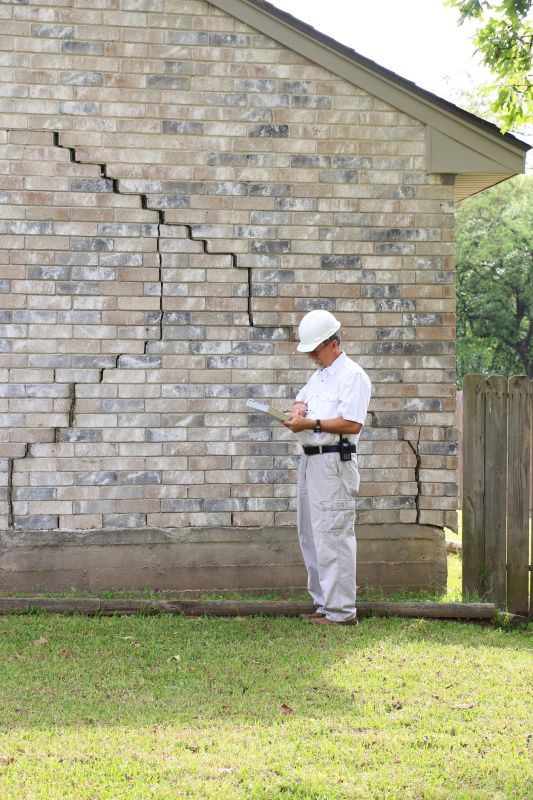


A commercial foundation inspection is a crucial step for property owners, developers, and investors who want to understand the condition of a building’s base before proceeding with construction, renovation, or sale. When searching for information about what to expect during a commercial foundation inspection, people are often interested in the process of evaluating the structural integrity of the foundation and identifying any issues that could impact safety or stability. These inspections are typically requested when purchasing a property, planning construction projects, or addressing concerns about existing damage. Understanding what happens during the inspection helps property owners and managers prepare for the evaluation and ensures they can make informed decisions based on the findings.
Commercial foundation inspections relate to a wide range of issues and plans, including detecting signs of settlement, cracking, or shifting that could threaten the stability of a structure. They are also valuable for planning repairs or reinforcements, verifying compliance with building codes, or assessing damage caused by environmental factors such as soil movement or water intrusion. Property owners may seek these inspections after noticing symptoms like uneven floors, cracked walls, or doors that no longer close properly. For development projects, foundation evaluations help determine whether a site is suitable for construction and identify potential challenges early in the planning process.
The types of properties that typically come up during commercial foundation inspections include retail centers, office buildings, warehouses, industrial facilities, and multi-family residential complexes. These structures often have large footprints and heavy loads, making foundation stability a key concern for safety and longevity. Inspections may also be performed on properties undergoing significant renovations or expansions, where existing foundations need to be assessed for suitability or potential reinforcement. Local service providers who specialize in commercial foundation inspections are experienced in handling a variety of building types, ensuring that each property receives a thorough evaluation tailored to its specific needs.
During a commercial foundation inspection, professionals will perform a visual assessment of the exterior and interior of the building, looking for visible signs of damage such as cracks, uneven surfaces, or water intrusion. They may also use specialized tools to measure ground movement, evaluate drainage conditions, and assess the soil beneath the foundation. The inspection process often involves examining foundation walls, footings, and support structures to detect any structural weaknesses or deterioration. Property owners can expect the process to be detailed and systematic, with the goal of providing a clear understanding of the foundation’s condition and any necessary repairs or next steps. Local contractors who perform these inspections play a vital role in helping property owners maintain safe, stable structures.
Soil testing projects - these projects require similar planning and use of specialized tools to assess ground conditions before construction or repairs, paralleling the evaluation process during a commercial foundation inspection.
Structural assessment services - evaluating building stability and identifying potential issues involves skills and techniques comparable to those used in foundation inspections.
Drainage and grading inspections - analyzing water flow and surface grading to prevent foundation problems shares methods and planning with foundation evaluations.
Concrete testing projects - testing the integrity and quality of concrete materials aligns with the inspection of foundation components for cracks or deterioration.
Retaining wall inspections - assessing the stability and condition of retaining structures involves similar visual and structural evaluation skills as foundation inspections.
Construction site evaluations - comprehensive site assessments that include soil, structural, and environmental factors use comparable planning and tools as commercial foundation inspections.
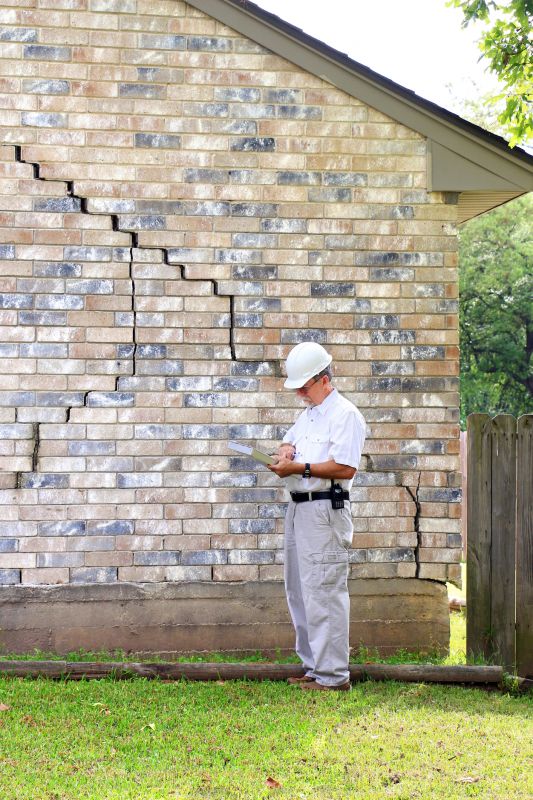
When evaluating commercial foundation inspection services, it is important for homeowners to consider the experience of local contractors with similar projects. An experienced service provider will have a thorough understanding of the specific challenges and structural considerations relevant to commercial properties. This familiarity can help ensure that the inspection covers all necessary areas and that potential issues are identified accurately. Homeowners should inquire about the types of commercial buildings the service provider has worked on and whether they have a track record of addressing foundation concerns similar to those of the property in question.
Clear, written expectations are essential when choosing a provider for a commercial foundation inspection. A reputable contractor will be able to outline what the inspection process entails, what areas will be examined, and what types of issues they will look for. Having this information in writing helps prevent misunderstandings and provides a transparent basis for decision-making. It also allows homeowners to compare different service providers more effectively, ensuring that the scope of work aligns with their specific needs and concerns.
Good communication and reputable references are key indicators of a reliable service provider. Homeowners should seek out local contractors who are known for clear, prompt communication and who are willing to provide references from previous clients. Talking to past clients can offer insights into the quality of the inspection process and the professionalism of the contractor. A contractor who communicates openly and provides verifiable references is more likely to deliver a thorough and transparent inspection, giving homeowners confidence in the service they receive.
Property owners often search for what to expect during a commercial foundation inspection when they are planning practical projects around their homes and businesses. Local pros provide Commercial Foundation Inspection services for everyday jobs and straightforward project options.
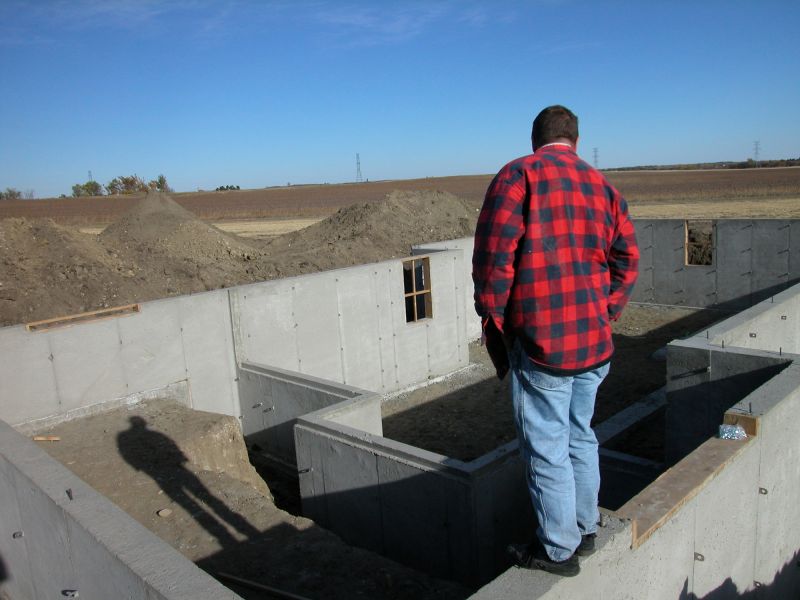
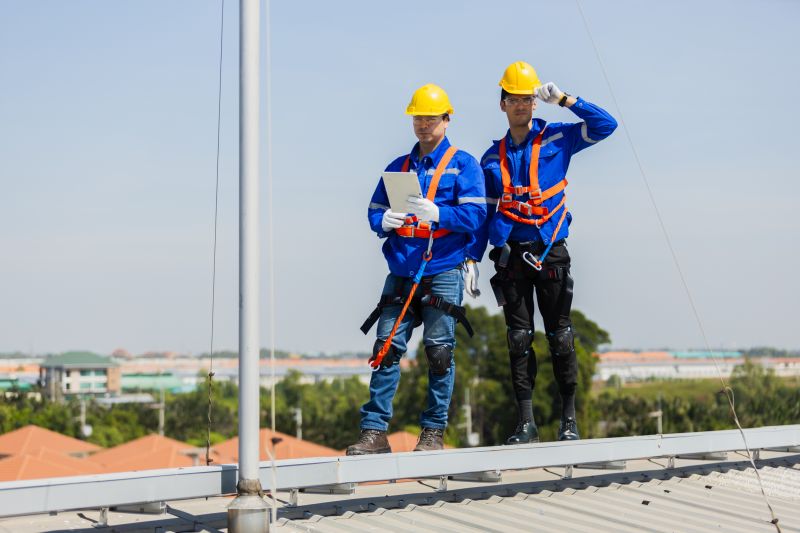
During a commercial foundation inspection, property owners can expect a thorough assessment of the building’s structural base. Local contractors typically begin by examining visible areas such as foundation walls, floors, and support beams for signs of damage or deterioration. They may also look for common issues like cracks, uneven settling, or moisture intrusion that could indicate underlying problems. This process often involves visual inspections and may include the use of specialized tools to evaluate the stability and integrity of the foundation, helping owners understand the current condition of their property’s support system.
Property owners in the area might seek out commercial foundation inspection services to identify potential issues early, especially if they notice symptoms like sticking doors, uneven flooring, or cracks in walls. These inspections can provide valuable insights into the health of a commercial property’s foundation, offering peace of mind and guidance on necessary repairs or maintenance. Local service providers are equipped to handle these assessments efficiently, ensuring that property owners have a clear understanding of what to expect and how to proceed if foundation concerns are uncovered.
What happens during a commercial foundation inspection? During a commercial foundation inspection, local contractors typically evaluate the foundation's condition by examining visible cracks, settling signs, and structural integrity. They may also assess drainage and soil conditions that could impact the foundation's stability.
What areas do inspectors focus on during a commercial foundation inspection? Inspectors usually focus on foundation walls, footings, and support beams, checking for cracks, moisture issues, and any signs of movement or deterioration that could affect the building’s stability.
Will the inspection include testing for foundation problems? While visual assessments are common, some local service providers may also perform non-invasive tests or recommend further evaluations if they identify potential issues during the inspection.
What should property owners prepare for during a commercial foundation inspection? Property owners should ensure accessible areas around the foundation are clear and inform the inspector of any known issues or previous repairs to help facilitate a thorough evaluation.
How do local contractors determine if foundation repairs are needed? Contractors assess signs of foundation distress, evaluate the severity of issues, and may provide recommendations based on their observations to determine if repairs or further assessments are necessary.
Inspection overview - Property owners can learn what aspects of the foundation will be examined during the inspection to prepare for the process.
Visual assessment - Local contractors will look for visible signs of foundation issues, helping owners identify potential concerns early.
Structural evaluation - Understanding how the foundation supports the building can guide property owners in planning necessary repairs or reinforcements.
Reporting process - Knowing what kind of findings and recommendations to expect can assist owners in making informed decisions about their property.
If you are thinking about what to expect during a commercial foundation inspection for a property, this guide is meant to help you understand this topic, the typical project types, and how different options might fit your plans.
When you are ready, you can use the quote form on this page to share a few details about your project. From there, local pros can review the basics and follow up with options that match what you have in mind.