Optimal Timing for Foundation Repairs
Foundation repairs are most effectively performed during specific times of the year when weather conditions are favorable. Proper timing can minimize complications and ensure the longevity of repairs. Seasonal considerations, soil conditions, and moisture levels play significant roles in determining the optimal period for foundation work.
Spring offers moderate temperatures and rising moisture levels, making it suitable for certain foundation repair methods. Soil tends to be more pliable, allowing for easier adjustments.
Summer's dry and warm conditions can facilitate quicker repairs. However, excessive heat and drought conditions may cause soil to shrink, complicating repairs.
Fall provides cooler temperatures and increased moisture, which can help soil settle evenly. It is often considered ideal for foundation work before winter.
Winter presents risks such as frozen ground and snow, which can delay repairs. Cold temperatures may also affect the curing process of certain materials.
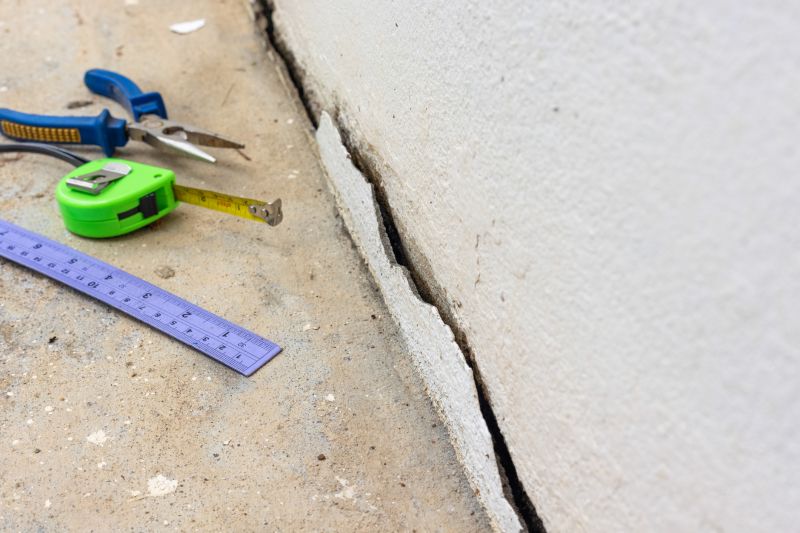
Springtime offers ideal moisture levels for foundation adjustments.
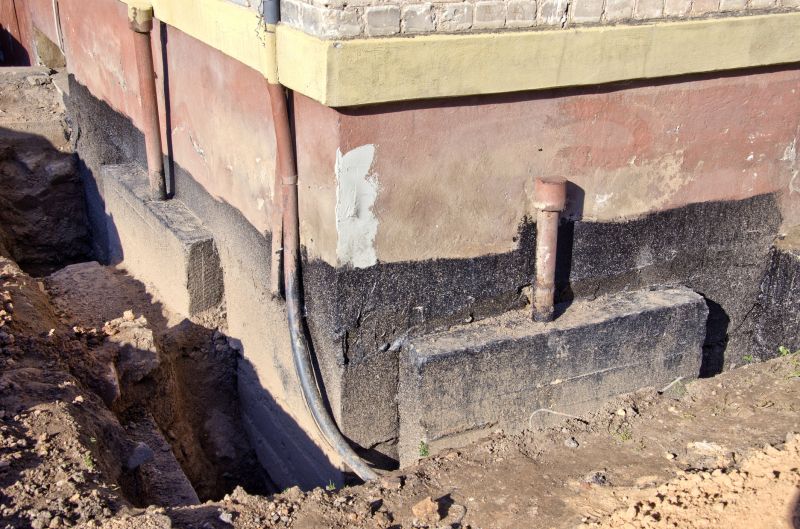
Warm, dry conditions can speed up repair processes.
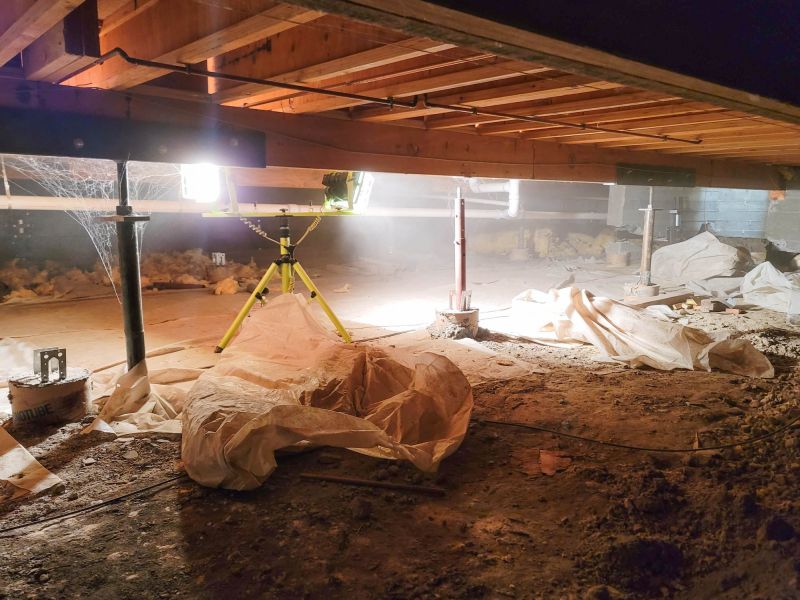
Cooler, moist conditions support even soil settling.
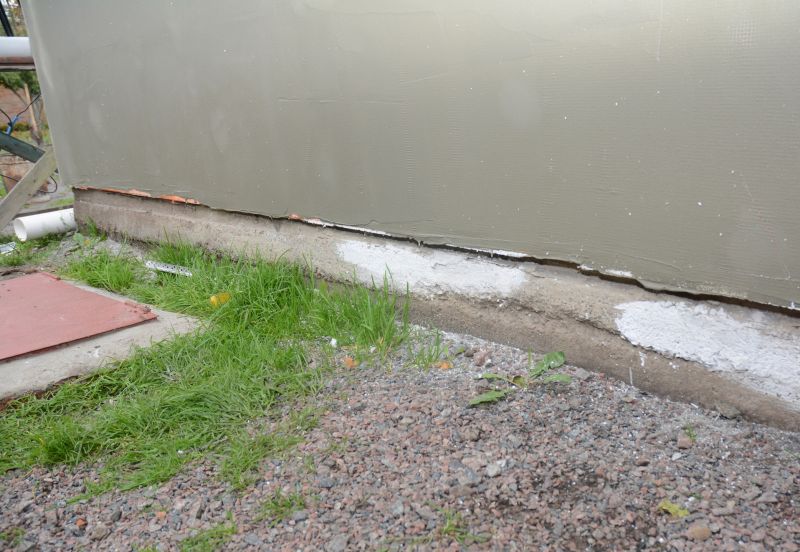
Ways to make Foundation Repairs work in tight or awkward layouts.
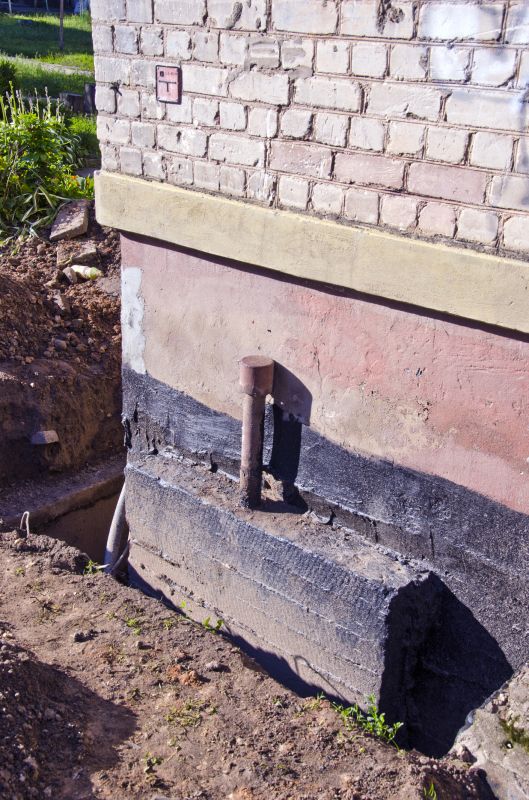
Popular materials for Foundation Repairs and why they hold up over time.
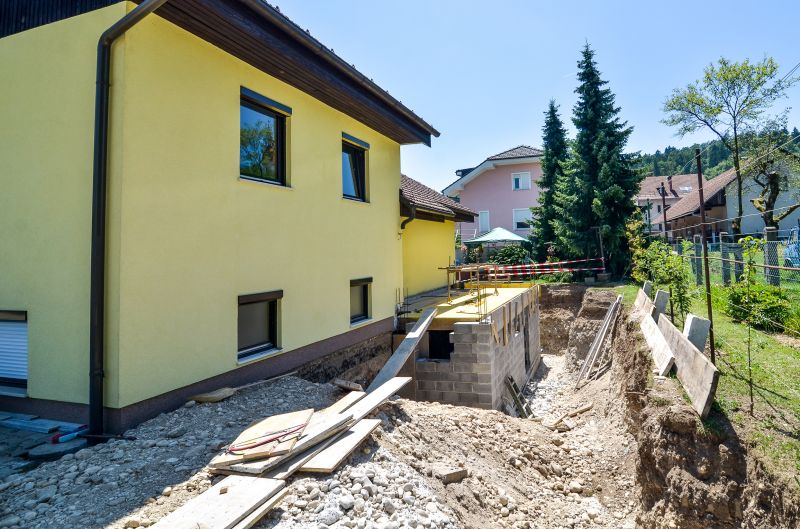
Simple add-ons that improve Foundation Repairs without blowing the budget.
| Season | Optimal Conditions |
|---|---|
| Spring | Moderate temperatures and rising moisture levels |
| Summer | Dry weather with warm temperatures |
| Fall | Cooler temperatures with increased soil moisture |
| Winter | Frozen ground and snow impede repairs |
Foundation repairs address issues such as settling, cracking, and shifting that can compromise the structural integrity of a building. Timely intervention can prevent further damage and costly renovations. Soil conditions, moisture levels, and seasonal weather patterns influence the success and durability of repairs. Properly timed foundation work ensures stable support and minimizes future movement.
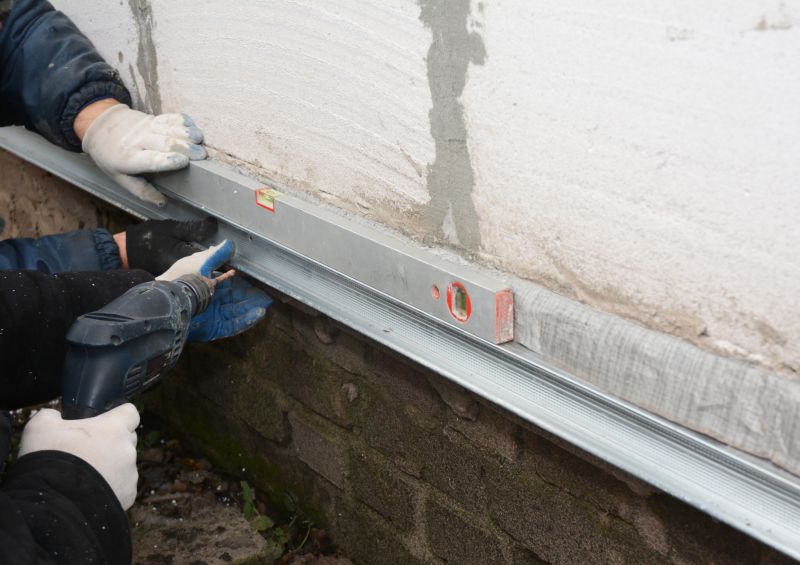
Proper timing supports effective stabilization techniques.
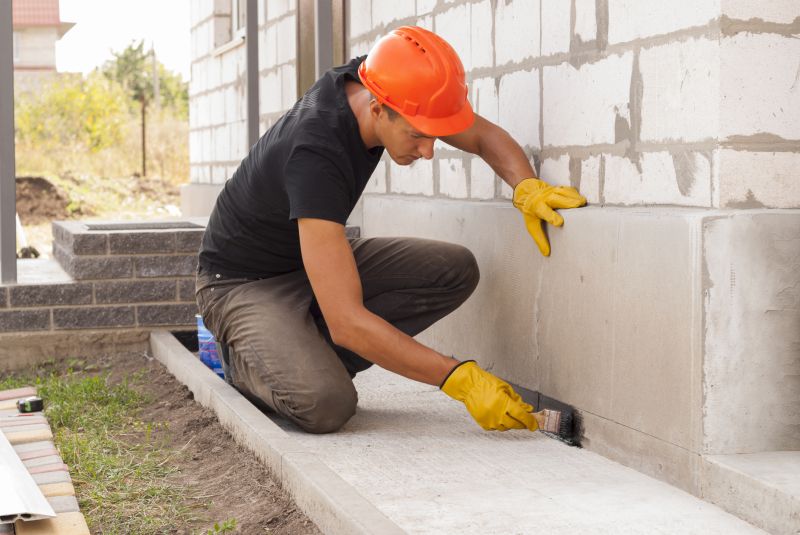
Timing helps optimize soil conditions for repairs.
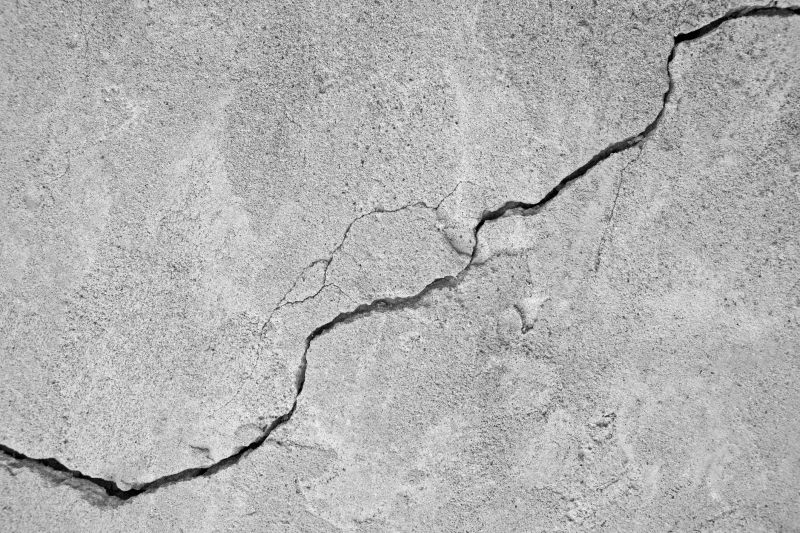
Addressing cracks during favorable weather prolongs repair lifespan.
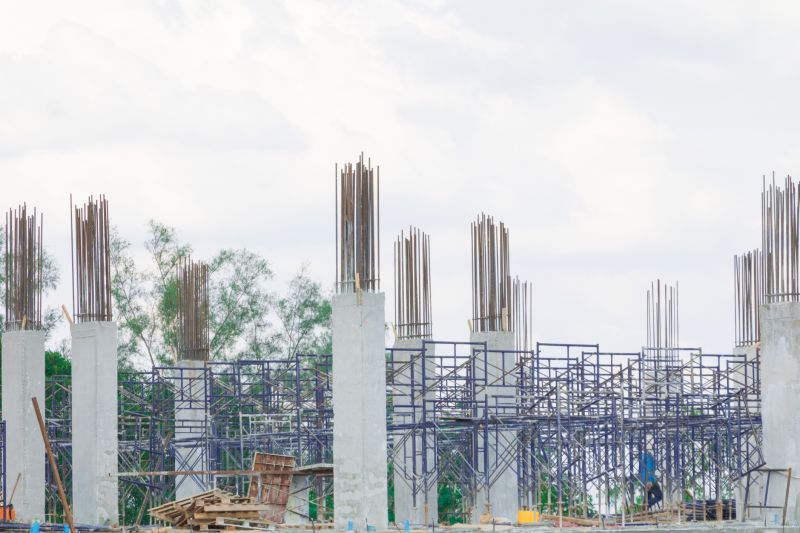
Optimal conditions ensure proper pier setting and support.
Choosing the right time for foundation repairs can lead to more effective results and longer-lasting stability. Consulting with foundation specialists can help determine the best schedule based on local climate and soil conditions. Regular inspections and timely repairs are crucial for maintaining the structural health of a property.
Interested in foundation repairs? Filling out the contact form can provide access to professional assessments and tailored solutions to address foundation issues efficiently.